(907) 622-7874
Menu

Prevent & maintain · Eagle River, AK

Dental cleanings.
A healthier start.

From your first hello to your final polish, explore preventive dental care and professional cleanings at Legacy Dental Arts in Eagle River.

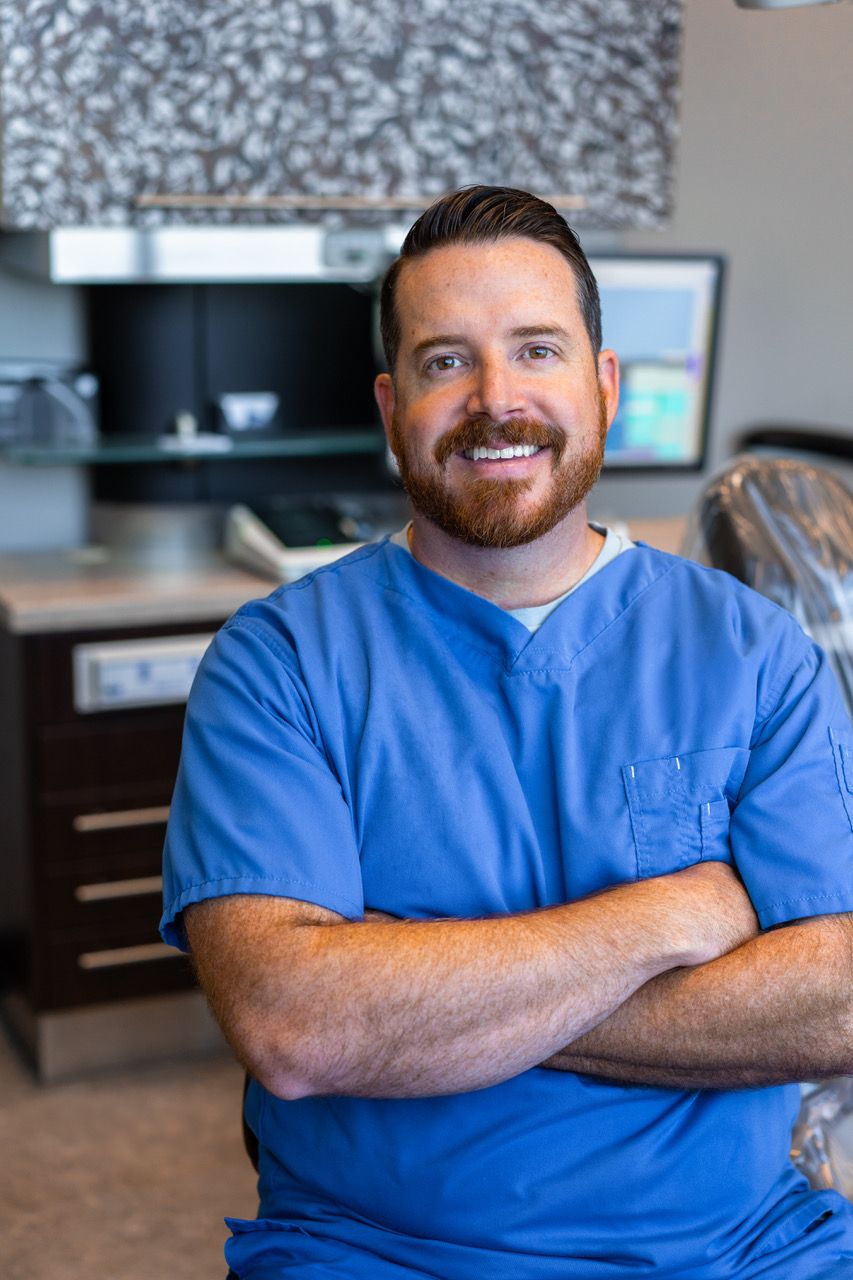
Cari, Dental Hygienist, in the Legacy Dental Arts office
Care begins
with a conversation.
Cari · Dental HygienistMeet your team ↗

The cleaning experience

Your cleaning, step by step.

Take a look at what a professional cleaning visit can involve.

Cari, Dental Hygienist at Legacy Dental Arts
Cari · Dental Hygienist

Your visit / 01

A warm welcome

Start with your questions, recent changes in your health, and anything that would help you feel more comfortable. The team can explain what is planned before care begins.

Good to knowTell the team about sensitive areas or concerns, and ask how to signal for a pause.
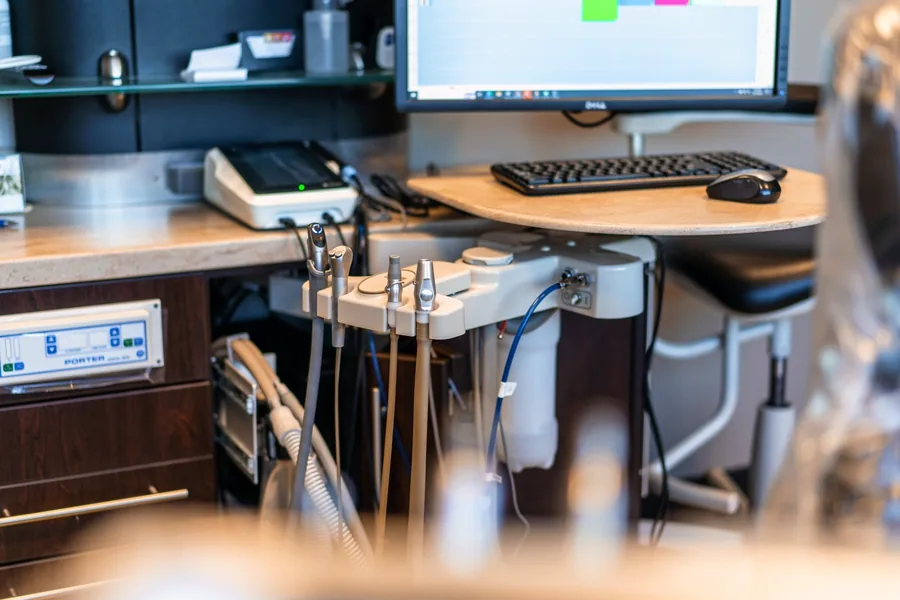
Monitor and instrument area inside Legacy Dental Arts
Actual Legacy treatment area · context photograph

Your visit / 02

Checking your oral health

The dental team checks your teeth and gums and reviews your history. Gum measurements and any appropriate examination or imaging help guide the type of care discussed with you.

Good to knowThis guide is a possible sequence, not a promise that every visit includes the same procedures.

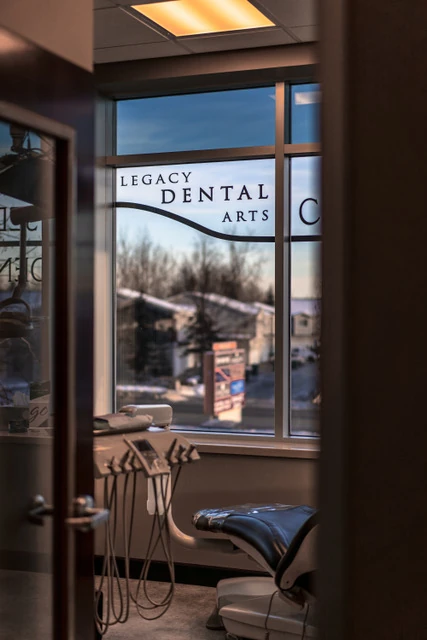
A treatment room with Legacy Dental Arts lettering on the window
Actual Legacy treatment room · not a procedure photograph

Your visit / 03

Removing buildup

Professional instruments remove plaque and hardened tartar from the areas being treated. The approach depends on your findings; treatment below the gums may require a different care plan.

Good to knowDo not try to scrape tartar off your teeth at home. Ask the dental team about professional removal.

Brenna, Dental Hygienist at Legacy Dental Arts
Brenna · Dental Hygienist

Your visit / 04

Polish and care

When appropriate, polishing can help remove some surface stains. Your hygienist can discuss other preventive steps and demonstrate techniques suited to your teeth and gums.

Good to knowPolishing is not whitening treatment, and it is not necessary in the same way at every appointment.

Anna, Office Manager at Legacy Dental Arts
Anna · Office Manager · scheduling questions

Your visit / 05

Your next steps

Review the findings, ask questions, and discuss home care and follow-up. The team will explain if another type of treatment is needed and help you understand the next conversation.

Good to knowAsk when to return and why that interval fits your oral health needs.

An educational sequence, not a fixed checklist. Actual care depends on your oral health and the team’s evaluation.

A closer look

See the difference
a cleaning makes.

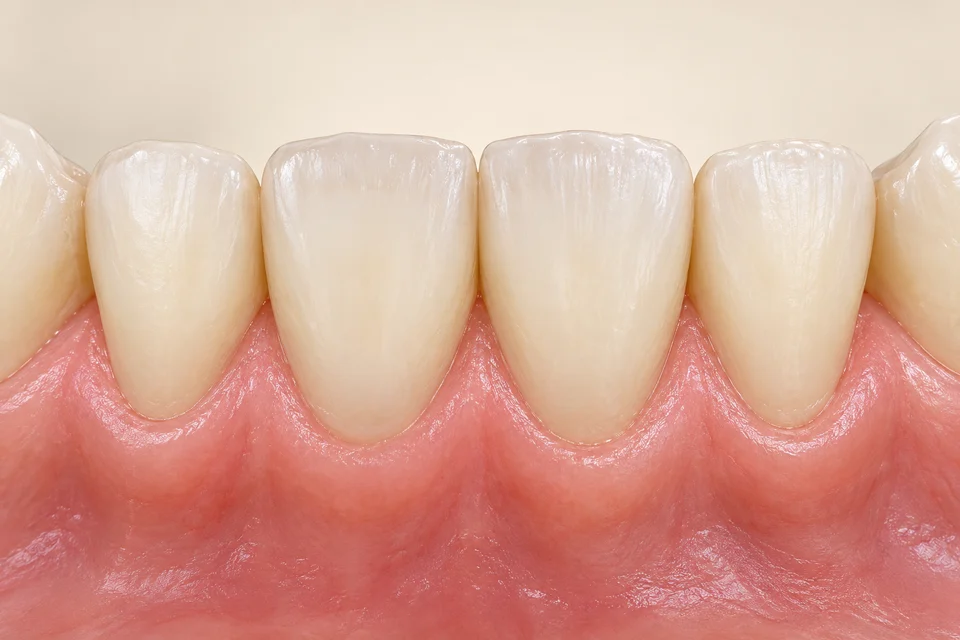
Explore how plaque and tartar can build up and how professional cleaning helps remove them.

Educational illustration of front teeth and the gumline. The comparison reveals localized deposits over unchanged tooth and gum anatomy.
Educational illustration. Individual findings and treatment needs vary. Clinical review pending.

A soft film

Plaque

Plaque is a soft bacterial biofilm that collects on tooth surfaces. Daily brushing and cleaning between teeth help disrupt it; deposits can build up again after a professional cleaning.

Hardened buildup

Tartar

Plaque can harden into tartar. These deposits generally require professional removal. Do not try to scrape them off at home.

Where teeth meet gums

Gumline

Plaque near the gumline can contribute to gum inflammation. Bleeding or changes in your gums are reasons to ask the dental team for an evaluation.

The same tooth surface

After cleaning

Removing deposits helps support oral hygiene. This illustration changes deposits only—not tooth shade or gum tissue. It does not show instant healing, whitening, or a guaranteed treatment result.

Same enamel shade. Same gum tissue. Only the illustrative deposits change.

Understand your care

Not every cleaning is the same.

The type of cleaning or periodontal care depends on your individual oral health needs.

Cari, Dental Hygienist at Legacy Dental Arts
Meet the hygiene team

Routine cleaning

Preventive cleaning removes plaque and tartar and supports ongoing oral hygiene. An assessment helps establish whether routine care is appropriate or whether gum disease needs a different approach.

Keep in mindSelecting this card does not determine the type of cleaning you need.

Explore everyday care
Dr. Michael Cady at Legacy Dental Arts
Dr. Cady · Periodontal care

Periodontal treatment

Gum-disease care may include scaling and root planing to clean affected tooth and root surfaces below the gumline. The dentist determines the treatment plan and discusses comfort, visits, and follow-up.

Keep in mindRoutine cleaning and treatment for periodontitis are not interchangeable.

Learn about periodontal care
Brenna, Dental Hygienist at Legacy Dental Arts
Ongoing care · actual team portrait

Periodontal maintenance

After periodontal treatment, ongoing professional care helps monitor gum health and manage deposits that return. The visit plan and intervals are tailored to the patient's condition and treatment history.

Keep in mindMaintenance supports long-term management; it does not mean gum disease can never recur.

Explore gum-health follow-up

These are educational descriptions. A dental evaluation determines appropriate care; choosing a topic does not identify a treatment you need.

Between visits

Small habits. Lasting benefits.

Good daily care and regular professional visits can help support a healthier smile.

Brushing

Brush twice a day for two minutes with fluoride toothpaste and a soft-bristled brush. Use gentle movements along the teeth and gumline rather than forceful scrubbing.

A useful next stepAsk your hygienist to demonstrate a technique that works for your mouth.

Cleaning between teeth

Clean between teeth daily, where a toothbrush cannot reach well. Floss, an interdental brush, or another suitable tool can help; the best fit depends on your teeth and dexterity.

A useful next stepAsk which size and type of tool is appropriate, and how to use it gently.

Professional visits

Regular visits give the team a chance to review your teeth, gums, and changing needs. The interval for examination, cleaning, or maintenance should reflect your individual oral health.

A useful next stepA routine insurance benefit schedule is not the same as a clinical recommendation.

Everyday choices

A balanced diet that limits sugary drinks and snacks supports oral health. Avoiding tobacco also matters for your gums; ask the team for guidance on habits that concern you.

A useful next stepThink about how often you sip or snack on sugary items during the day.

General education, not a personalized care plan. Ask the team about the routine and tools appropriate for you.

Questions about preventive care

A few questions for Cari.

Answers to common questions about cleanings and preventive care.

Cari, Dental Hygienist at Legacy Dental Arts
Cari
Dental Hygienist

General educational answers for practice review—not quotations or personal advice from Cari.

Will a cleaning hurt?

Comfort varies with sensitivity, buildup, and gum health. Tell the team what you are feeling and ask for a pause when needed. They can explain the steps and discuss appropriate comfort options; no treatment can be promised to feel the same for everyone.

How long does a cleaning usually take?

The time depends on the assessment, the type of cleaning, and your individual needs. Ask the office what time to allow for your scheduled visit. Periodontal treatment may involve a different appointment plan.

What if I haven’t been to the dentist in years?

Call the team and explain that you would like to return to care. An examination and conversation can establish a starting point. You do not need to choose a cleaning type before your oral health has been assessed.

What if my gums bleed?

Tell your dentist or hygienist. Bleeding can be a sign of gum inflammation, but it does not by itself tell you what treatment is needed. An assessment can identify the cause and guide care; persistent bleeding should not simply be ignored.

Can a cleaning remove stains?

Professional cleaning and appropriate polishing can remove some surface stains. They may not change discoloration within the tooth or the color of existing restorations. Ask the team what is causing the discoloration and which options may be suitable.

What’s the difference between a cleaning and whitening?

A cleaning focuses on deposits and oral hygiene, and polishing may address surface stains. Whitening is a separate cosmetic treatment that uses whitening agents to lighten eligible natural tooth color. It does not replace cleaning or gum-disease care.

How often should I have my teeth cleaned?

Your dentist or hygienist recommends an interval based on your oral health, risk factors, and treatment history. Some people need more frequent care than others. Ask what schedule is appropriate for you rather than assuming one interval fits everyone.

What if I need periodontal treatment?

The team will explain the findings and recommended options. Treatment may include scaling and root planing or referral to the practice’s periodontal team, followed by reassessment and ongoing care. An ordinary cleaning is not a substitute for treatment when periodontitis is present.

Let’s keep your smile healthy

Comfortable care today
for a brighter tomorrow.

Call us or request a visit — we’re here to help you maintain a healthy smile.

Alaska landscape · Denali National Park · NPS / Tim Rains
Call (907) 622-7874Request a visit →