(907) 622-7874
Menu

Teeth whitening · Eagle River, AK

Refresh your smile with professional whitening.

Explore professional whitening options designed around your goals and lifestyle, then bring your questions to the Legacy Dental Arts team in Eagle River.

Signature experience The Shade Studio

Conceptual front view of an upper smile: ten upper teeth and scalloped gum between soft lips, with a glimpse of the lower incisors An educational illustration, not a photograph. The shade, translucency, edge shape, proportion, spacing and position of the illustrated teeth can be changed to explain ideas discussed in cosmetic dentistry. It does not show any person and does not predict a result. FRONT VIEW · CONCEPTUAL SMILE STUDY · NOT A PHOTOGRAPH
Conceptual smile study Not a photograph · not a clinical shade guide · not a patient or treatment result · clinical review pending

Move through an illustrative range and see where colour comes from, what surface stain is, and what whitening cannot change.

Shade

No two smiles share one colour.

Natural teeth range from bright to warm. Canines are often a little deeper than the incisors, and the colour shifts from the neck of a tooth to its edge. Lighting, skin tone and the whites of the eyes all change how a shade reads.

A question to bring“What range of shade would look natural for me?”
Shade

Colour comes from inside.

Dentin, the layer under the enamel, sets a tooth's base tone. Enamel is translucent and filters it. Whitening products act on colour inside these layers, which is why the result depends on what caused the colour.

A question to bring“Is my colour mostly in the enamel, in the dentin, or on the surface?”

Shade

Stain sits on the surface.

Coffee, tea, red wine and tobacco leave colour on and just under the surface. A professional cleaning removes surface stain; whitening gel acts on colour inside the tooth. They are two different conversations.

A question to bring“How much of my colour is stain, and how much is the tooth itself?”

Shade

Restorations keep their colour.

Crowns, veneers, bonding and tooth-coloured fillings are matched to the teeth around them when they are made. Whitening does not change them, which is why the order of treatment matters.

A question to bring“Do I have restorations that would show after whitening?”

Screens and lighting change colour. This is not a clinical shade guide and does not show how your teeth would respond to whitening.

Four stages, from assessment to aftercare. Each one changes the illustration.

Stage 01

Assess and plan

Your dental team checks your teeth, gums, restorations and the cause of discolouration. Bring questions about sensitivity and the shade you hope to discuss. An examination comes before a treatment recommendation.

A question to bring“What is causing my colour, and is whitening the right approach for it?”

Stage 02

Prepare

For in-office treatment, the team protects the soft tissues according to the product instructions before the gel is applied. For take-home care, you receive instructions for the specific system recommended to you.

A question to bring“How will my gums be protected, and what should I avoid beforehand?”

Stage 03

Whiten

Peroxide-based products act on discolouration inside natural enamel and dentin. Opalescence Boost is chemically activated, without a whitening light. Crowns, veneers and tooth-coloured fillings do not change colour.

A question to bring“Do I have restorations that would show after whitening?”

Stage 04

Maintain

Follow the aftercare instructions you receive, keep up with brushing, cleaning between your teeth and dental visits, and discuss sensitivity or changes with the team. Tobacco and staining foods or drinks can affect tooth colour.

A question to bring“When would a touch-up be appropriate, and what should I ask first?”

The change in the illustration is a concept, not a prediction. Results and how long they last vary with the cause of discolouration, the treatment, habits and oral care.

In-office and dentist-directed take-home whitening, and the points to discuss before choosing.

Your options

A brighter smile, with professional guidance.

Opalescence Boost is applied by the dental team. Its gel is chemically activated, and no whitening light is needed. Appointment length, number of applications and results vary; your examination helps determine whether this approach fits your smile.

A question to bring“Is in-office whitening appropriate for my teeth and my restorations?”

Your options

Brighten on your schedule.

Dentist-directed take-home options are used according to your dental team's instructions, with trays and gel matched to you. Ask the team to confirm the current products, schedule and costs for your visit.

A question to bring“Which take-home system is offered now, and how do its instructions fit my routine?”

Your options

Temporary sensitivity can happen.

Temporary tooth sensitivity or gum irritation can occur with either approach. Tell your dentist about existing sensitivity before starting. If symptoms develop, contact the team about pausing or adjusting treatment rather than increasing product use.

A question to bring“What should I do if my teeth become sensitive?”

Your options

There is no single timeline.

Results and how long they last vary with the cause of discolouration, the treatment used, habits and oral care. Keep up with brushing, cleaning between your teeth and dental visits, and ask before repeating or extending treatment.

A question to bring“When is a touch-up appropriate, and how would we decide?”

Both approaches need an examination first. Tooth decay, gum problems, sensitivity, restorations and the cause of discolouration can affect the recommendation. See the options side by side.

The illustration is conceptual and does not show any person. It is not a clinical shade guide, not a patient or treatment result, and it is pending clinical review. Professional whitening starts with an examination.

01Professional whitening options

02Dentist-directed care

03In-office or at-home options

Your options

Two ways to brighten.

Choose a conversation that fits your goals, schedule, and lifestyle.

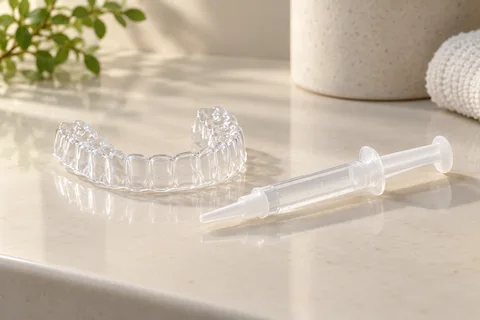
Office photograph: Legacy Dental Arts. Tray image: generic educational illustration.

In-office whitening

Opalescence Boost is applied by the dental team. Its gel is chemically activated; no whitening light is needed. Your examination helps determine whether this approach fits your smile.

Appointment length, number of applications, and results vary. Sensitivity or gum irritation can occur. Tell the team about existing sensitivity and ask what to expect before treatment.

Discuss in-office care
Take-home whitening

Legacy’s existing options include custom trays and professionally directed take-home products. Ask which products are currently offered and which may be appropriate for you.

Follow your dental team’s product-specific wear time and instructions. More use does not mean a better result. If sensitivity or irritation occurs, contact the team about pausing or adjusting treatment.

Discuss take-home care
See the options side by side
Professional whitening: points to discuss
ConsiderationIn-officeTake-home
WhereApplied by the Legacy teamAt home, following dental instructions
ScheduleAppointment-based; confirm the planProduct-specific wear schedule
SensitivityDiscuss before treatmentDiscuss before and during use
ResultsIndividual results vary. Crowns, veneers, and fillings do not whiten.

Over-the-counter products differ in formulation and use. Professional guidance includes an oral-health assessment and a plan for existing sensitivity or restorations.

From conversation to care

The whitening experience.

A thoughtful process, with your questions at every step.

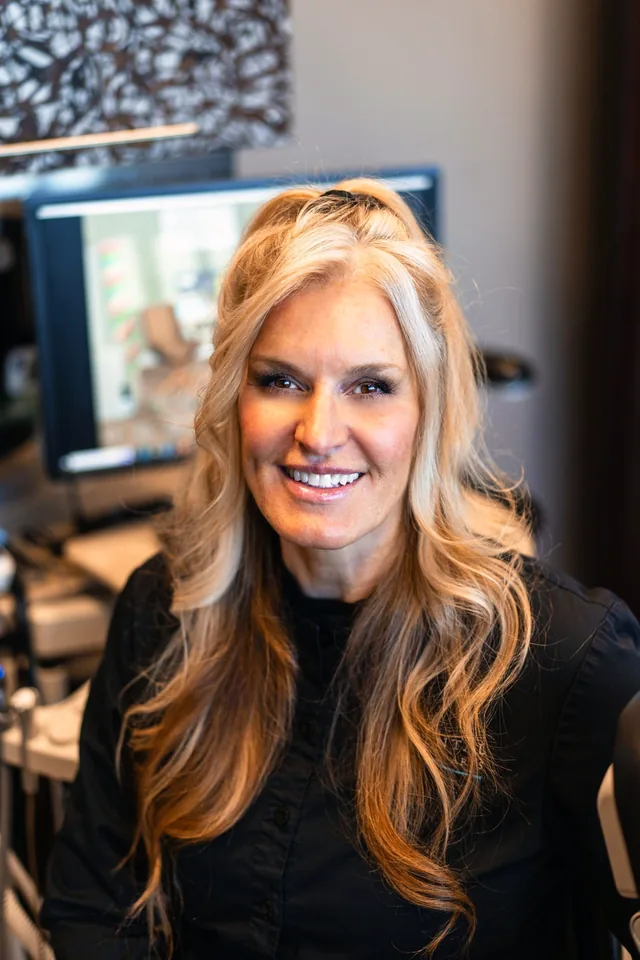
Cari, Legacy’s dental hygienist01

Assess & plan

Discuss your goals and evaluate your smile.

Your dental team checks your teeth, gums, restorations, and the cause of discoloration. Bring questions about sensitivity and the shade you hope to discuss. An examination comes before a treatment recommendation.

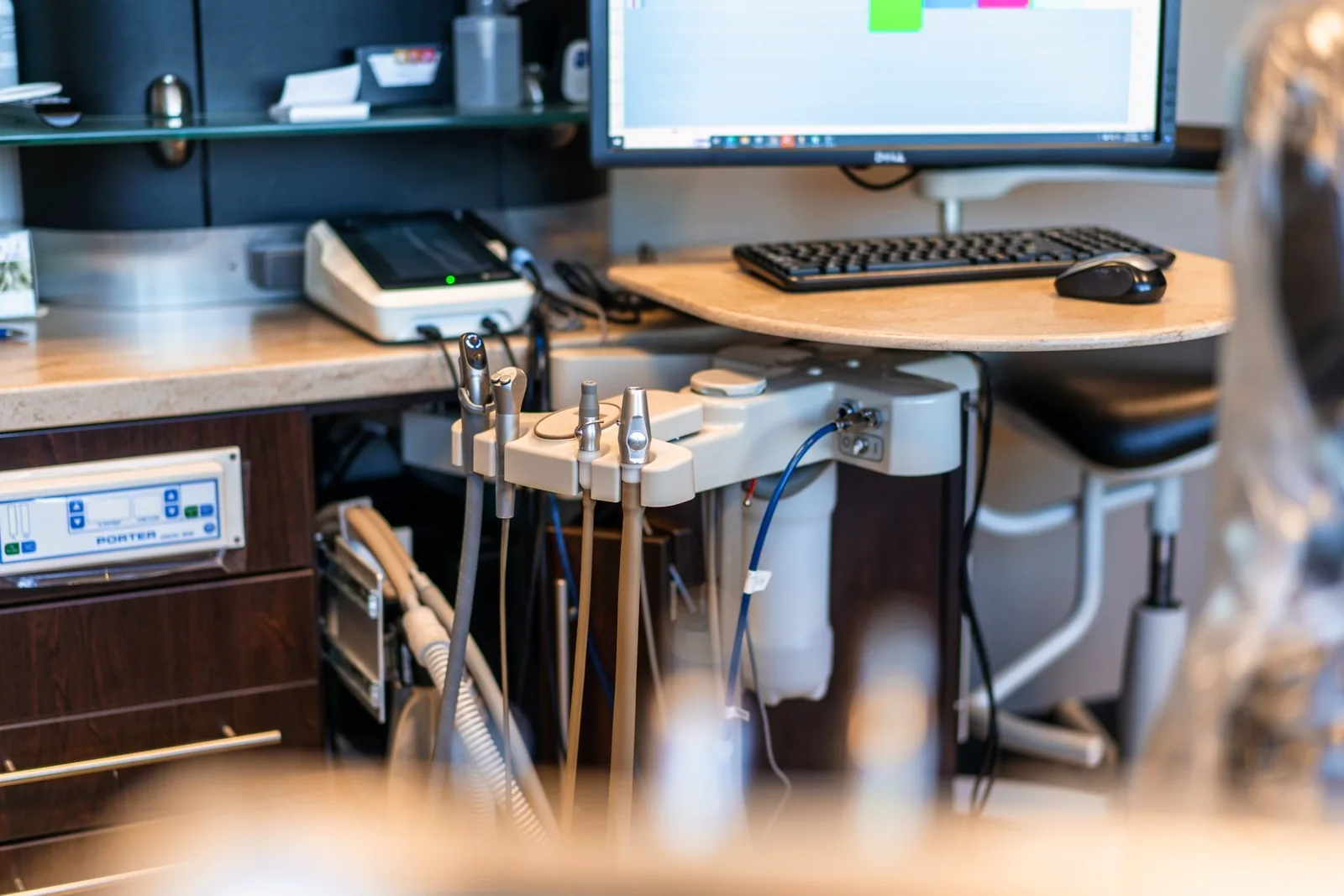
Treatment equipment in Legacy’s real office02

Prepare

Learn how your team prepares for treatment.

For in-office treatment, the team prepares and protects the soft tissues according to the product instructions. For take-home care, you receive instructions for the specific system recommended to you.

Educational illustration of a clear tray and unbranded whitening gel03

Whiten

Explore how professional whitening works.

Peroxide-based products act on discoloration in natural teeth. Opalescence Boost is chemically activated, without a whitening light. Application and wear times depend on the product and your dental team’s instructions.

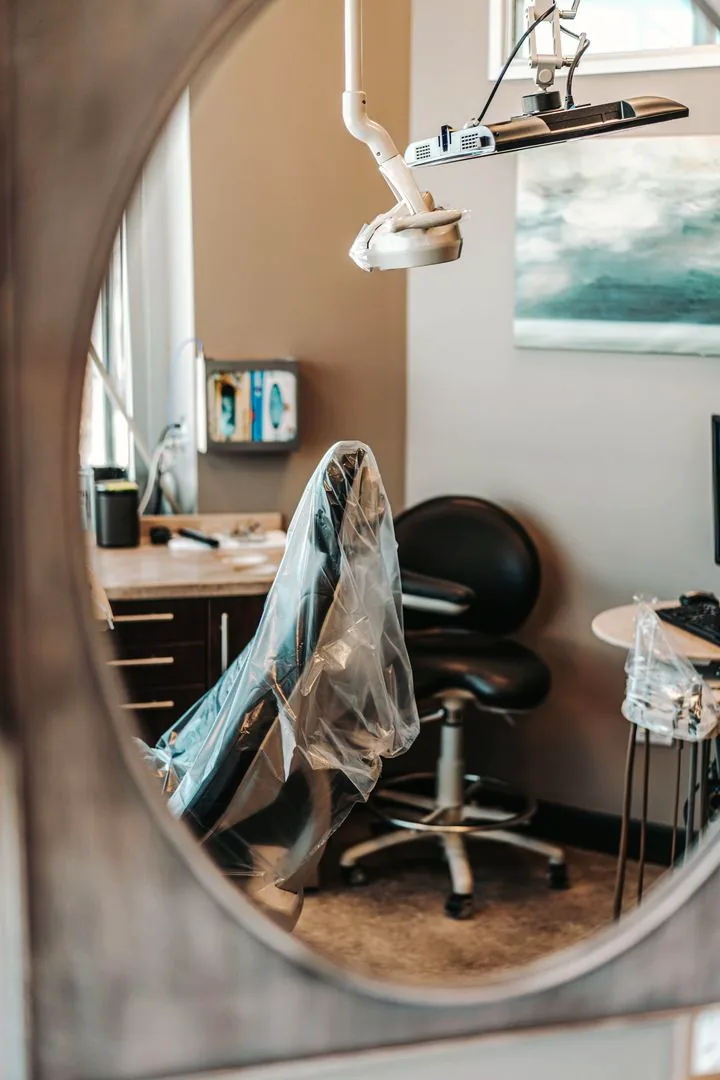
A treatment room at Legacy Dental Arts04

Maintain

Understand aftercare and ongoing care.

Follow the aftercare instructions you receive, keep up with oral hygiene and dental visits, and discuss sensitivity or changes with the team. Results vary; any touch-up plan should be individualized.

A better conversation

Find your
whitening path.

Answer two quick questions to help guide your conversation with our team.

Your choices stay in this browser page. They are not submitted to Legacy or sent to analytics. This guide does not assess suitability or predict results.

Cari, dental hygienist at Legacy Dental Arts

Cari · Dental Hygienist

Ask Cari.

Answers to common whitening questions from the Legacy Dental Arts team.

General education, not a personal treatment recommendation.Meet the team ↗
How does professional whitening work?

Whitening products use peroxide to break down colored compounds in natural teeth. Your dentist checks the cause of discoloration and your oral health before recommending an approach. Not every type of discoloration responds in the same way.

What’s the difference between in-office and take-home whitening?

In-office whitening is applied and supervised by the dental team. Legacy’s existing offering includes Opalescence Boost, a chemically activated whitening gel that does not require a whitening light. Take-home options are used according to your dental team’s instructions. Ask us to confirm the current products, schedule, and costs for your visit.

Can whitening cause sensitivity?

Temporary tooth sensitivity or gum irritation can occur. Tell your dentist about existing sensitivity before starting. If symptoms develop, contact the team for advice about pausing or adjusting treatment rather than increasing product use.

Will whitening change the color of crowns or fillings?

Whitening does not change the color of crowns, veneers, or tooth-colored fillings. Your dentist can discuss how existing restorations may affect the appearance of your smile and whether other care is appropriate.

How long might results last?

There is no single timeline. Results and how long they last vary with the cause of discoloration, the treatment used, habits, and oral care. Your dental team can discuss realistic expectations and whether future touch-ups are appropriate.

How do I maintain my results?

Keep up with brushing, cleaning between your teeth, and dental visits. Tobacco and staining foods or drinks can affect tooth color. Follow your dentist’s product-specific instructions and ask before repeating or extending whitening treatment.

Is whitening right for everyone?

No. Tooth decay, gum problems, sensitivity, restorations, and the cause of discoloration can affect the recommendation. An examination helps your dentist decide whether whitening or another approach is appropriate for you.

Alaska mountain landscape

Your next step

Ready for a brighter smile?

Request a consultation with our team in Eagle River.

Need help finding the right page?
Legacy page guideFind a useful next step.

Private to your browser · no messages sent to Legacy

I can help you find a helpful page using Legacy's public website information. I do not send messages to the office or access patient records.

Please do not enter your name, phone, insurance, or health details.

Call (907) 622-7874Request a visit →